
Furnishing a Dubai Rental: A Practical Room-by-Room Plan
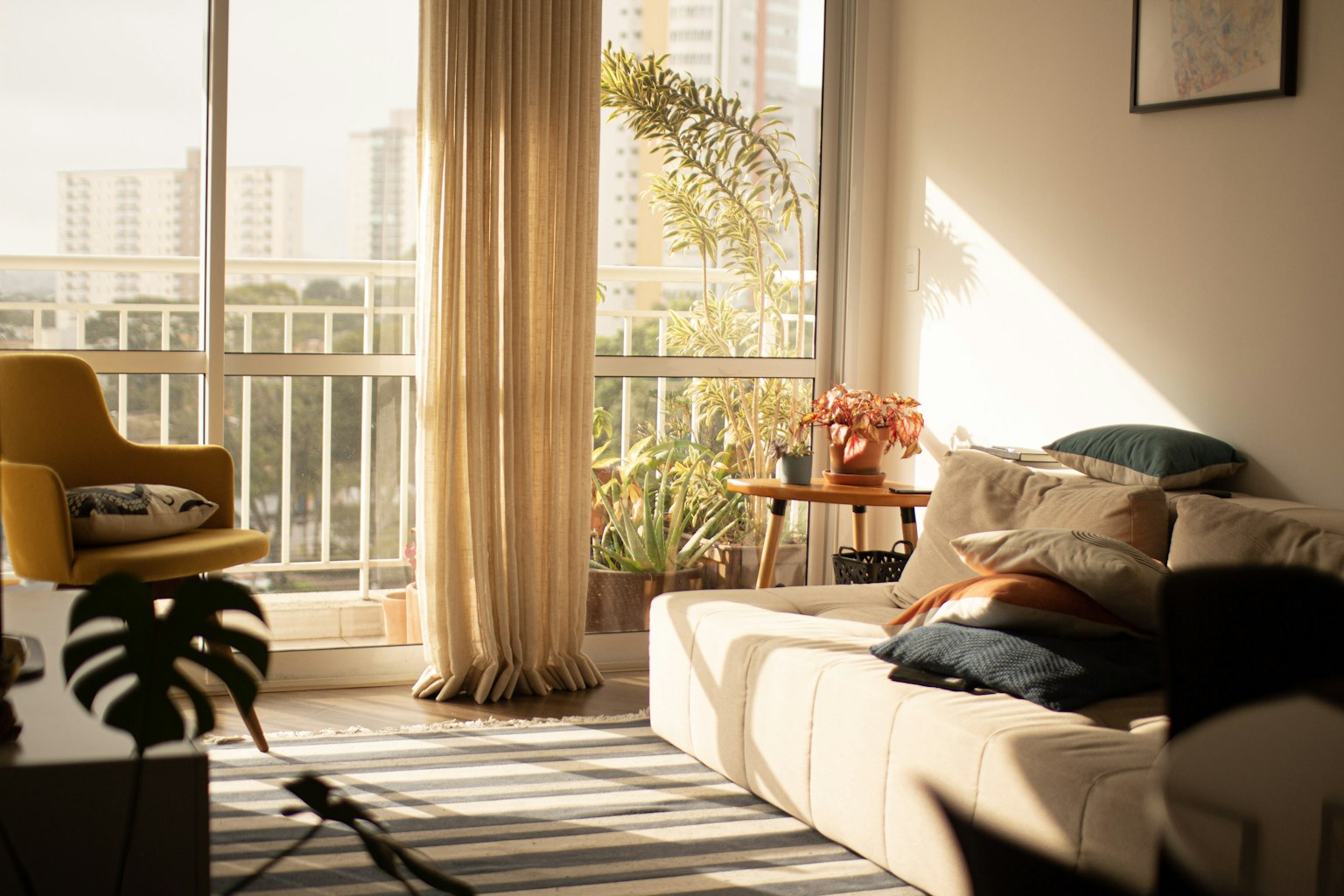
Photo by Danilo Rios on Unsplash.
A furnished apartment should work as well on an ordinary Tuesday as it does in listing photographs. A sofa that blocks a cupboard, a dining chair that traps the route to the balcony, or curtains that cannot control afternoon glare will be noticed long after the styling is forgotten.
Before ordering, write a short brief: who the apartment is intended for, what is already included, what can be changed and the total installation budget. Treat this as a design decision, not a promise that more furniture will produce a higher rent.
1. Measure the room and the route into it
Record room dimensions, door swings, sockets, fixed cupboards and access to windows. Check how furniture will reach the apartment, including lift and doorway dimensions and the building's delivery arrangements. A piece that fits on the plan may still be difficult to bring inside.
Mark the footprints of the largest pieces on the floor with a suitable removable method. Test everyday actions: opening drawers, pulling out a dining chair, carrying laundry and reaching the balcony door. Choose the layout before choosing the accessories.
2. Give the living area a clear job
Start with comfortable seating for the intended household and a useful surface within reach. Add a dining or work position that suits the actual space. A smaller table that can be used comfortably may be more practical than a larger one squeezed between circulation routes.
Prefer storage that has an identified purpose. Closed cupboards can hold household supplies; a shelf is useful only if there is something appropriate to put on it. Leave access to ventilation grilles and equipment, following the relevant manufacturer's requirements.
3. Plan the bedroom around daily use
Choose the bed after checking how the room works with the wardrobe open. Allow usable bedside surfaces and reachable lighting, and consider where luggage or spare linen will go. Test whether sockets remain accessible once furniture is in position.
Check care instructions before selecting upholstery, rugs and bedding. Ask about replacement covers, spare fittings and how stains should be treated. A material that looks appealing in a sample may require maintenance that does not suit the intended household.
4. Choose curtains and lighting together
Look at the apartment at different times of day. Consider glare at a work position, privacy after dark and the level of light wanted in the bedroom. Measure the window treatment properly and check permission before drilling or altering existing fittings.
DEWA recommends summer shading at windows and a cooling set point of 24°C or higher as energy-conservation measures. Use that guidance when planning comfort; actual suitability and consumption depend on the apartment, occupants and system. DEWA cooling guidance
Provide light where an activity happens: reading beside a chair, preparing food or using a desk. DEWA recommends LED lighting and directing light to the part of a room where it is needed. Choose compatible lamps and fittings, and have electrical alterations handled by a qualified professional. DEWA lighting guidance
5. Budget for installation and upkeep
Separate the price of furniture from delivery, assembly, curtains, fitting, cleaning and any disposal costs. Confirm measurements, availability and return conditions before ordering. Keep a reserve for items that need adjustment once the room is assembled.
For an owner offering a furnished rental, prepare a clear inventory with photographs and condition notes. Keep model references, care instructions and warranty information in one place. Decide how a damaged or unavailable item would be replaced without rebuilding the whole scheme.
A useful final check
Walk through the apartment as someone arriving with shopping, making dinner, working and going to bed. If the routine exposes an awkward route or missing surface, solve that before adding another decorative piece.
Bring the measurements, photographs and intended use to an interior-design discussion with Connexyt Real Estate. A considered brief gives the project a clearer starting point than a collection of unrelated purchases.
Sources checked on 29 October 2026.